Giosetta Fioroni (Rome, 1932) was born into a family of artists: her mother was a puppeteer and her father a sculptor.
At just 22 years old, she took part in the 1955 Rome Quadriennale, and the following year in the 28th Venice Biennale, which launched her into the international art scene. Although her first solo exhibition was held in Milan at the Galleria Montenapoleone, introduced by Emilio Vedova, the real turning point came at the end of 1957, when Giosetta moved to Paris as a guest of Tristan Tzara.
In the French capital, Fioroni witnessed crucial events, such as Yves Klein’s monochrome exhibition at the Galerie Iris Clert, and socialized with artists including Sam Francis, Joan Mitchell, and Jean-Paul Riopelle, spending evenings with them at the Petit Dôme. Circulating within the same cosmopolitan and intellectually vibrant milieu were Samuel Beckett, Alberto Giacometti, Shirley Jaffe, Beauford Delaney, Kimber Smith, Laurence Vail, and other key figures. It was within this context that Tzara introduced Giosetta to Paul Facchetti, at whose gallery she exhibited several works.
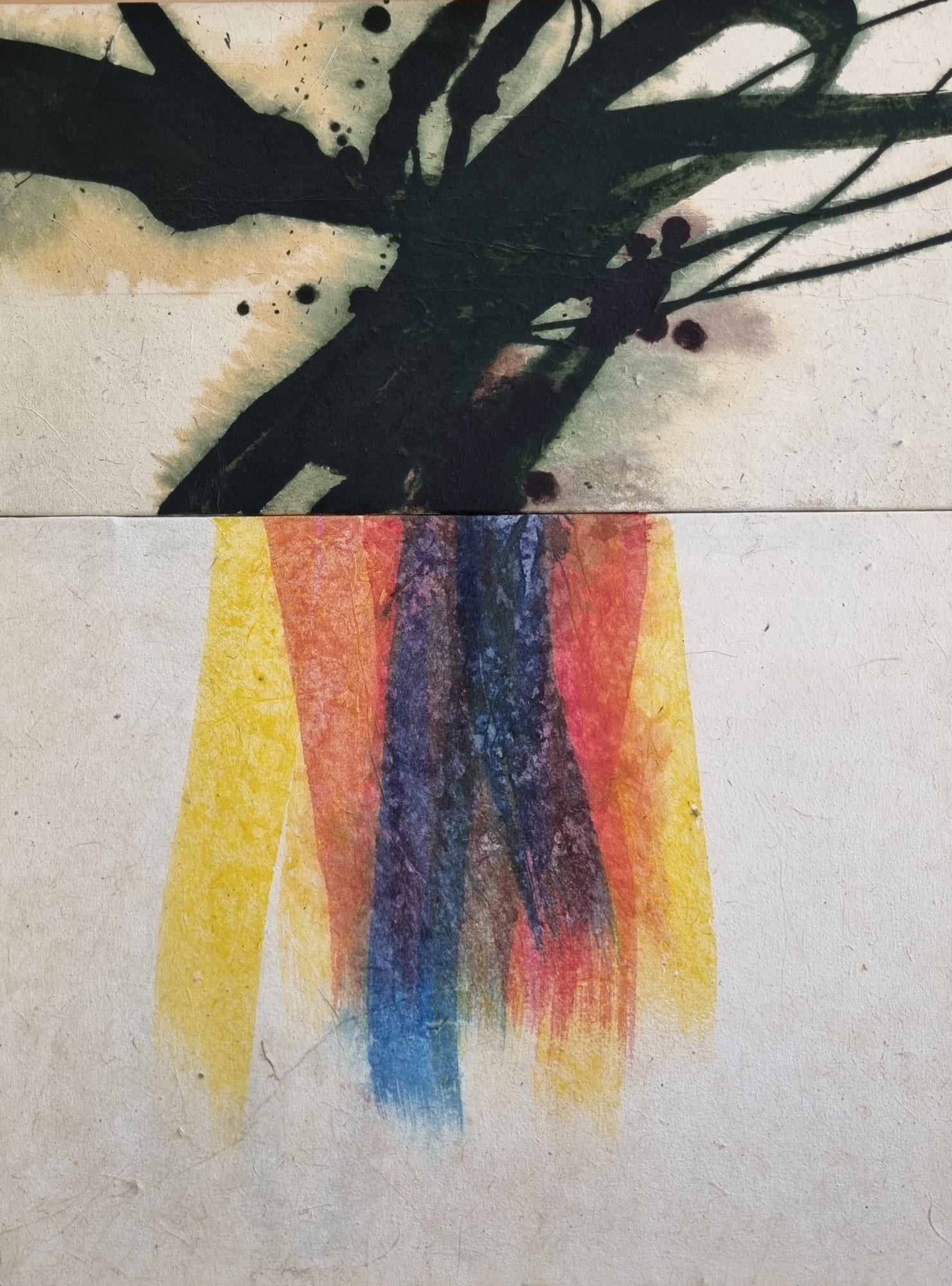
This opportunity opened the door to further developments: in 1958 she participated in the Salon des Réalités Nouvelles and in an exhibition at the Städtisches Museum Leverkusen, marking a significant chapter in her international career. In her Paris studio she also received Pierre Restany, who encountered her ink drawings from the Journal Parisien series (1958–62), works animated by what he defined as a “new figuration through writing.”
Continuously moving between Rome and Paris and navigating international perspectives, in 1958 Fioroni came into contact with Frances McCann and exhibited at the Rome–New York Art Foundation, a transatlantic hub that connected Italian and European research with new American experiments. These were intense years, also marked by several exhibitions at Galleria La Tartaruga starting in 1960, where she showed alongside artists such as Cy Twombly and Jannis Kounellis.
The year 1963 was crucial: Giosetta Fioroni opened her first solo exhibition in Paris at Galerie Breteau. Burri and Scialoja took part in the installation—Burri with great enthusiasm, Scialoja with some perplexity, reflecting a radically informal vision confronted with works that began to display clearly identifiable signs: “lips, hearts, telephones… and other rapid movements and objects,” as the artist herself noted.
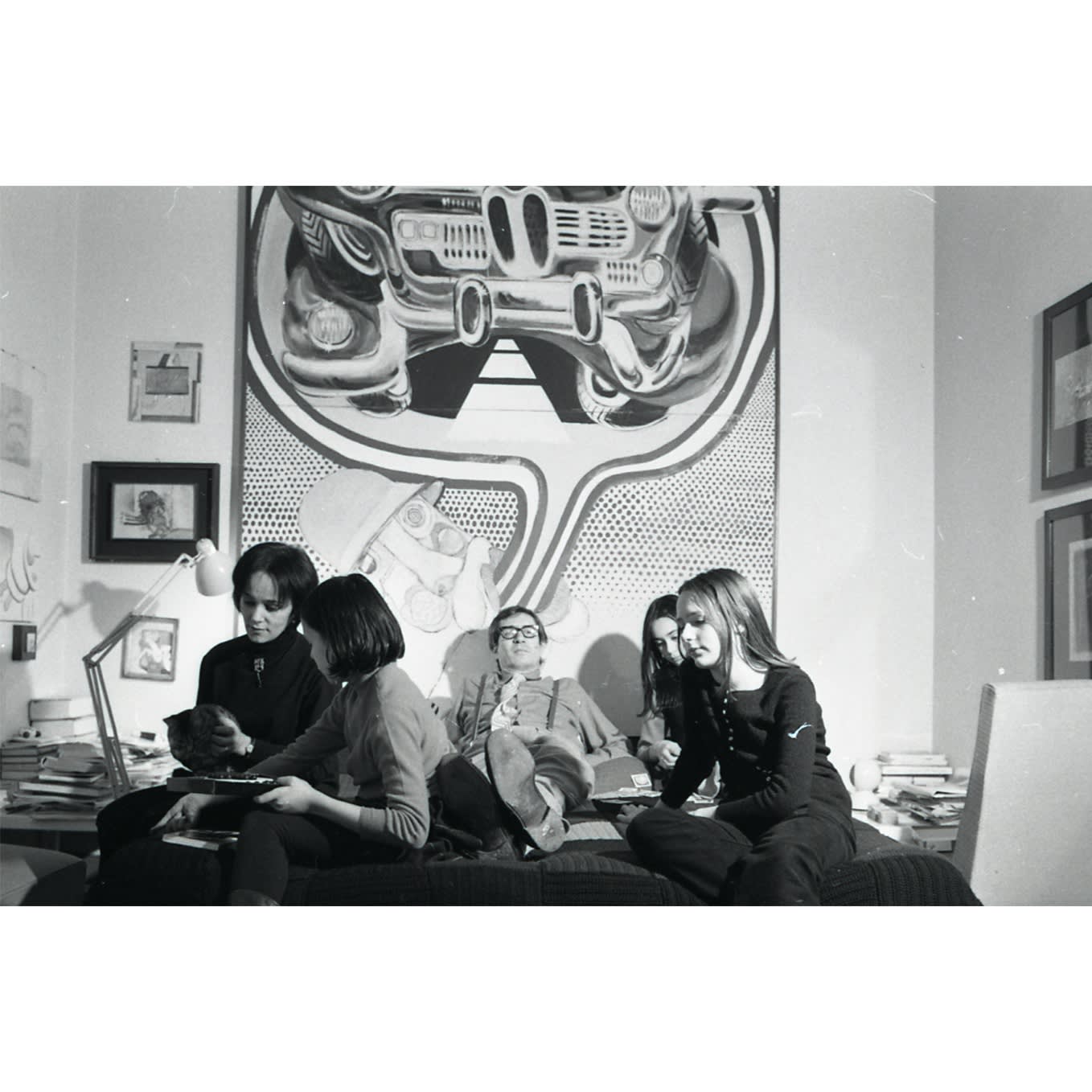
Returning permanently to Rome that same year, Fioroni immersed herself in the cultural dynamics surrounding Piazza del Popolo and Caffè Rosati, a meeting place for Mario Schifano, Franco Angeli, and Tano Festa. She became part— as the only woman—of what would later be known as the School of Piazza del Popolo.
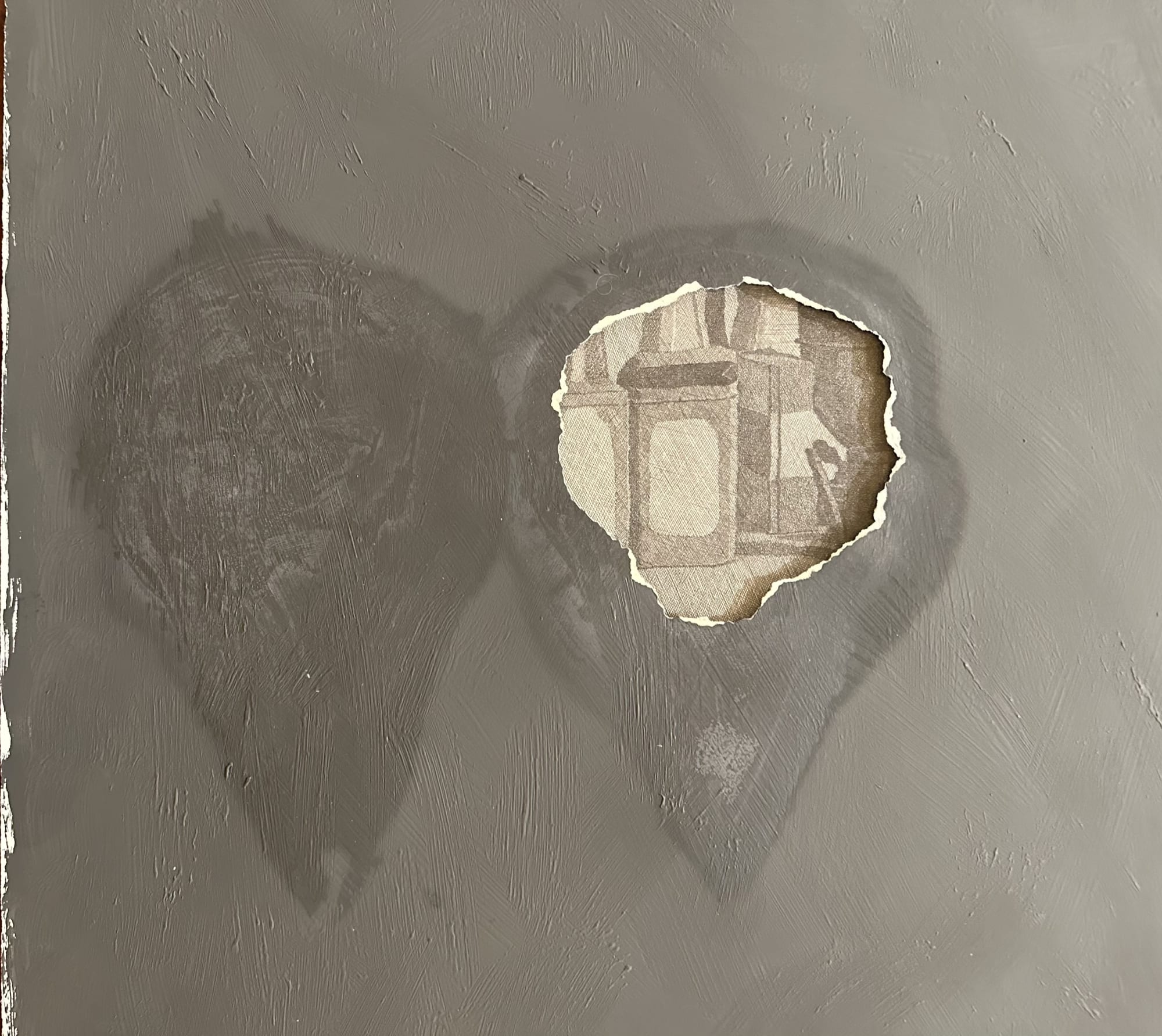
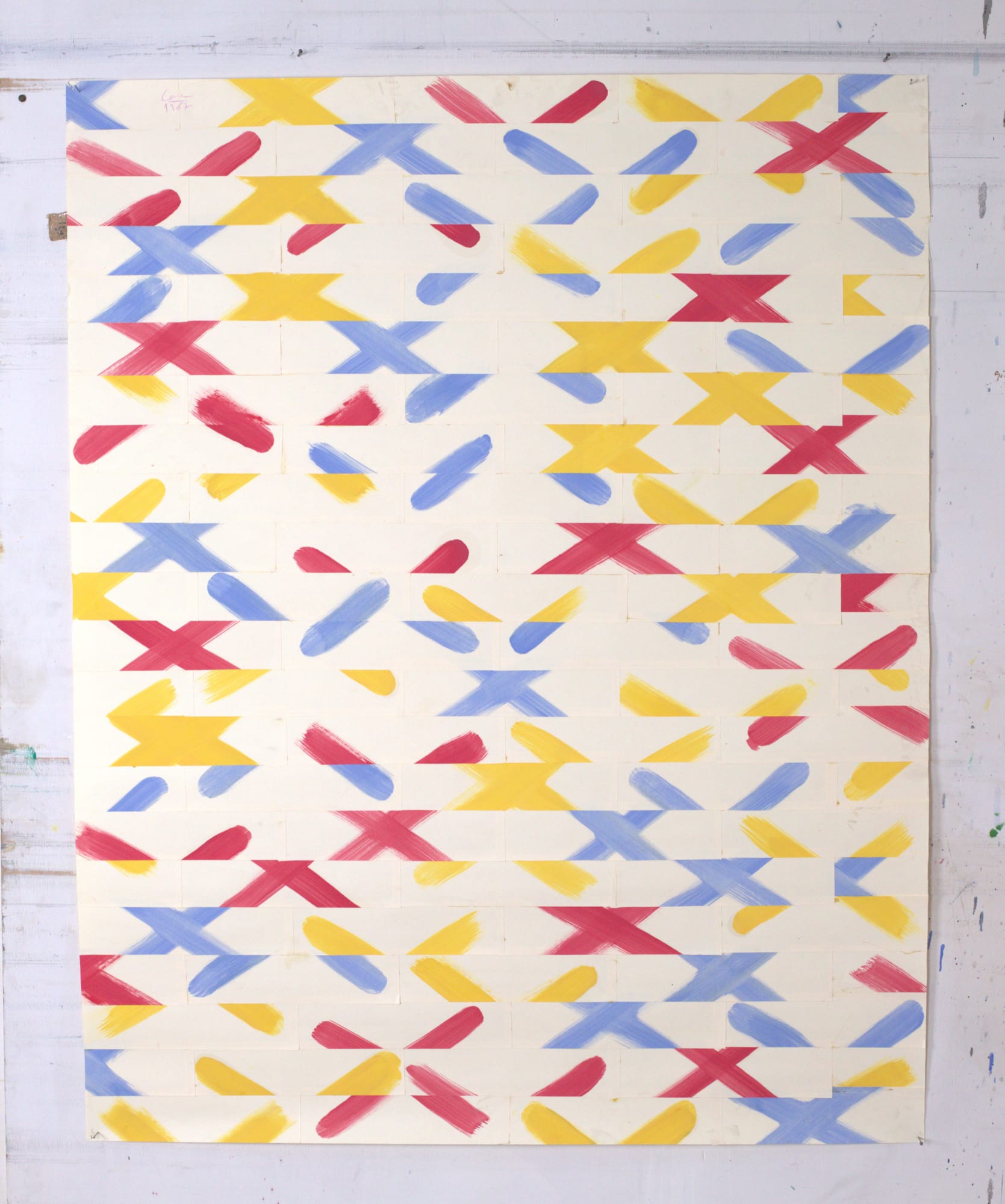
The 1960s also marked the beginning of the celebrated Argenti / Silvers, among her most iconic works, created from images projected onto canvas and painted with industrial aluminum-colored enamels that give them a reflective surface. These works employ an allusive shorthand, or recurring signs that she herself called “stenograms”: recognizable elements such as hearts, hands, and objects, imbued with symbolic and metaphorical meaning. Throughout her production, and especially in these enamel works, her preference for the female face, portraiture, and affective memory stands out.
Her work intersected with poets and writers of Gruppo ’63, including Arbasino, Balestrini, Moravia, Garboli, Ceronetti, Zanzotto, Erri De Luca, Marcoaldi, and Fusini, and from 1964 she was linked to the writer Goffredo Parise. That same year she exhibited at the 32nd Venice Biennale, a participation that definitively consolidated Pop Art in Italy, though distinguished from its American counterpart by a more introspective and artisanal approach.
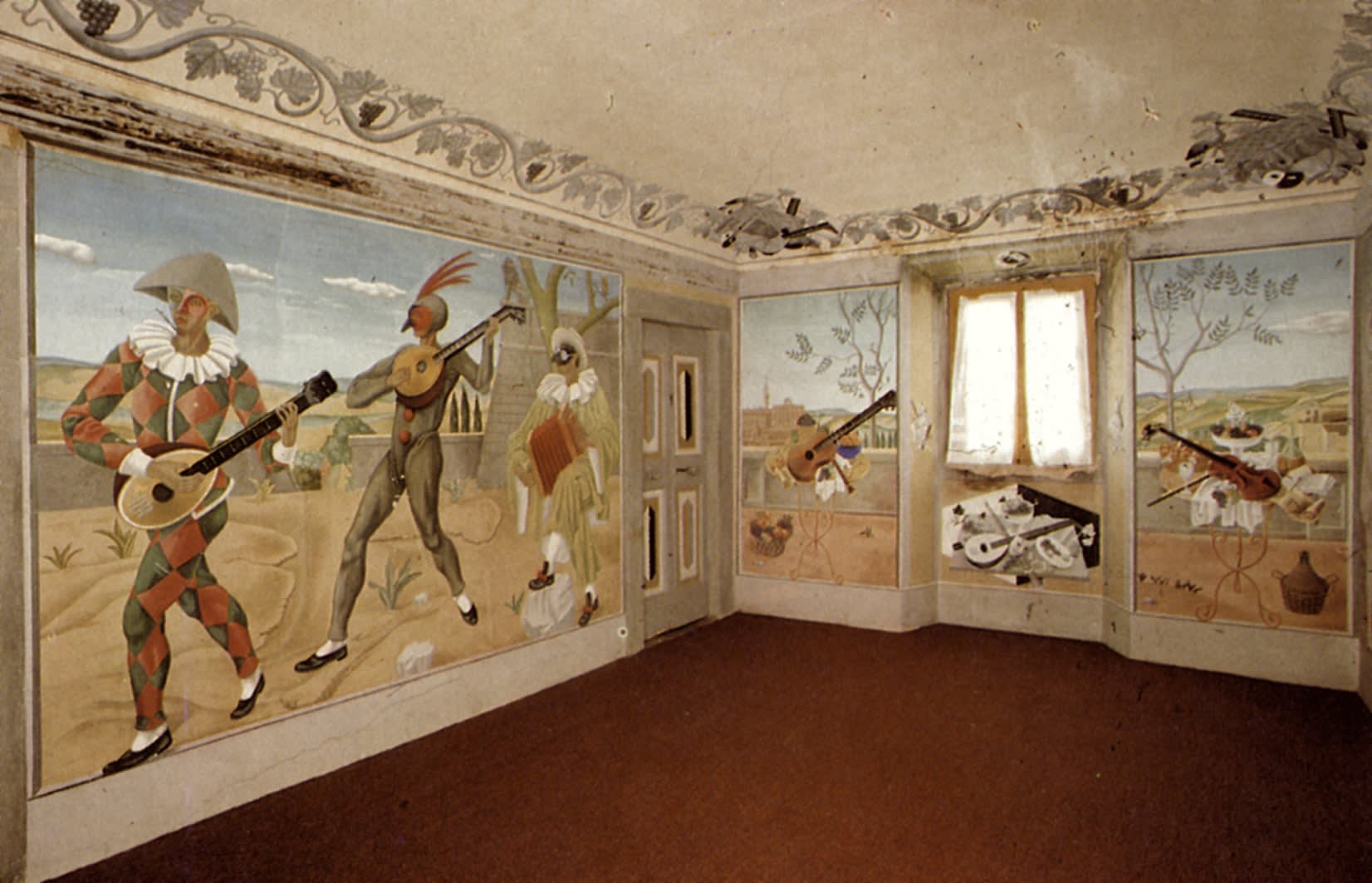
At the end of the 1960s, Fioroni created the teatrini, small stage-like constructions inspired by a wooden model used by her mother for puppet shows. During the same period, she experimented with filmmaking, producing 16mm and Super 8 films now held at the Galleria d’Arte Moderna in Turin.
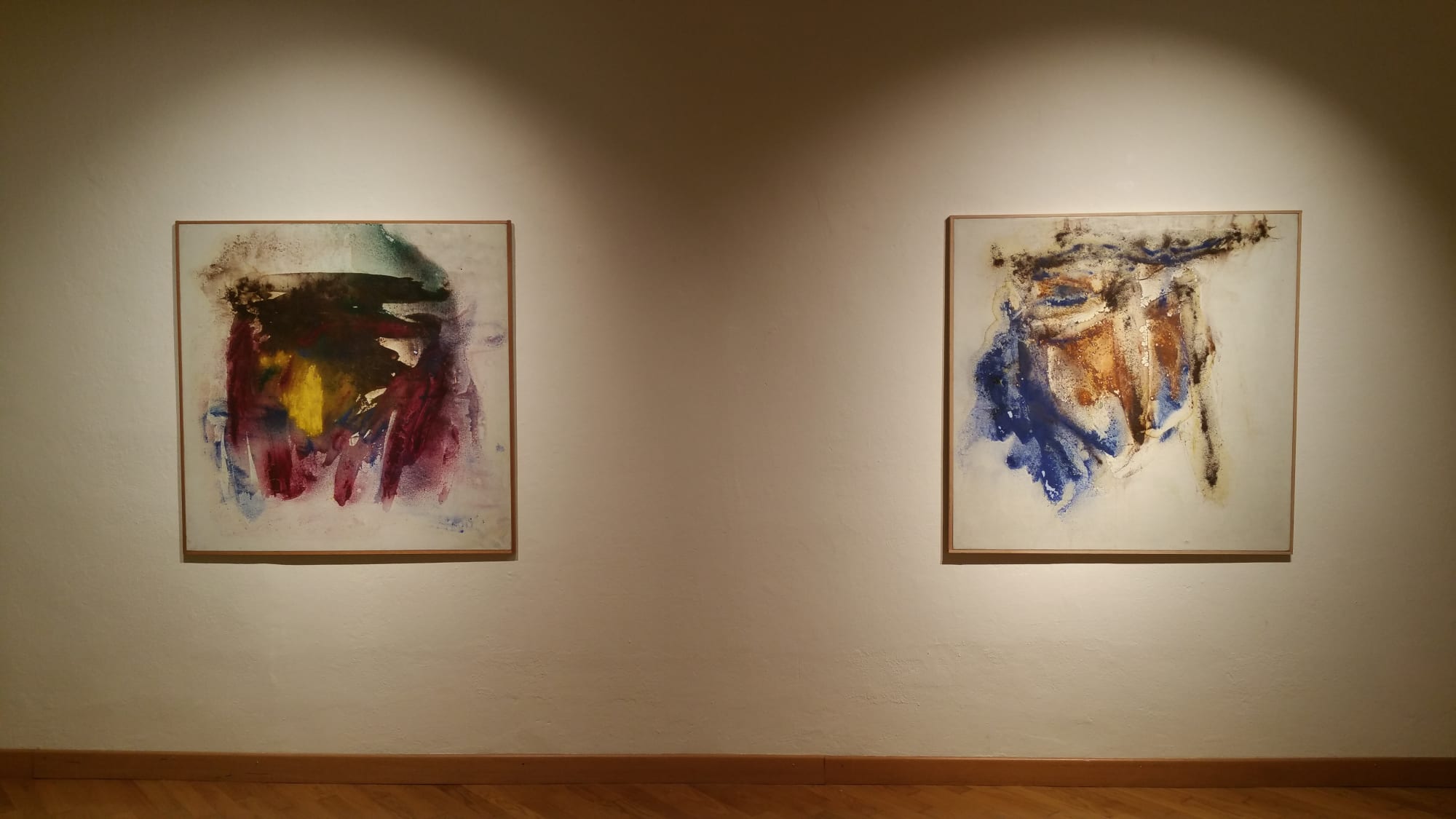
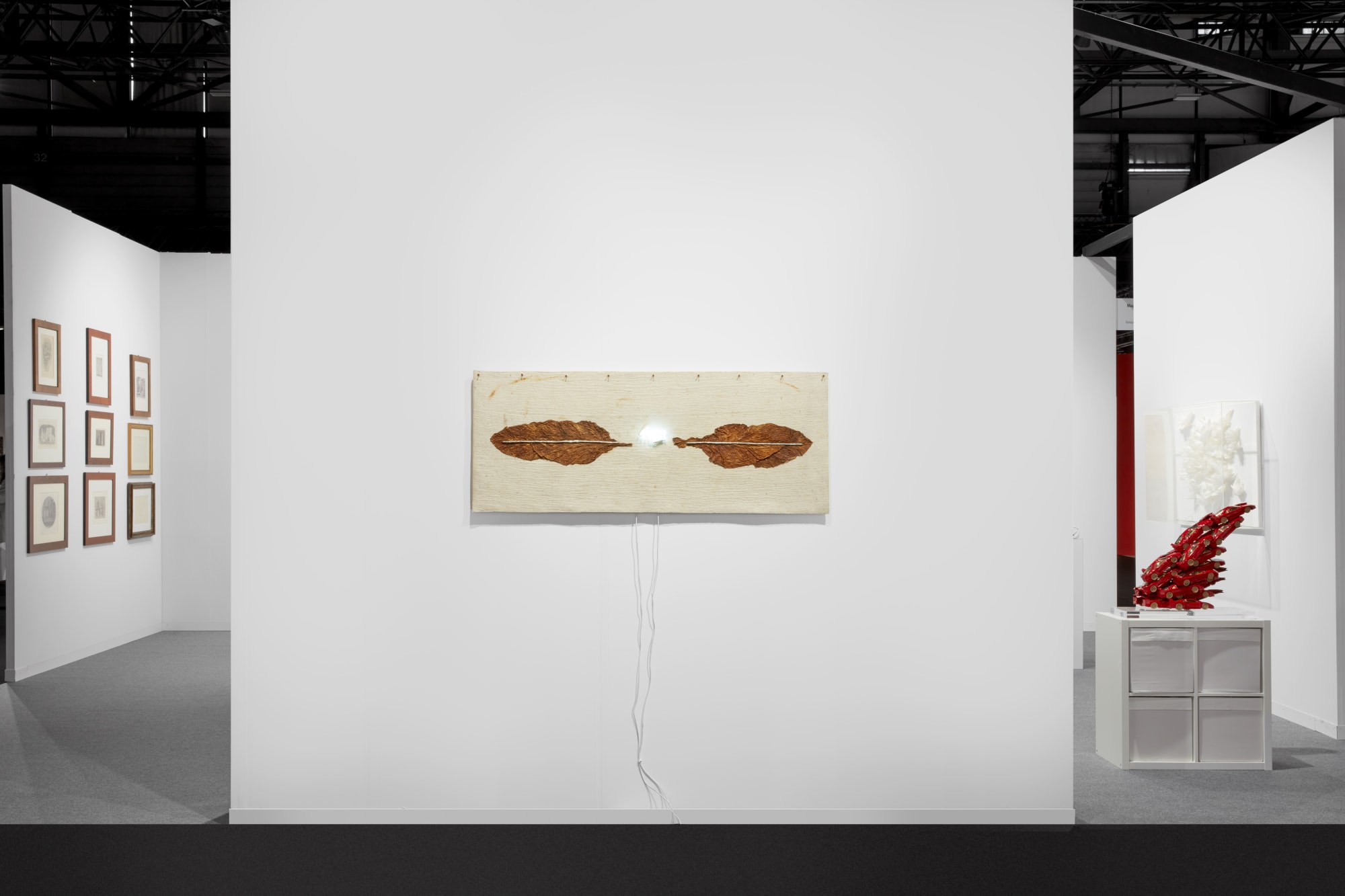
In 1970 she participated in Vitalità del Negativo, curated by Achille Bonito Oliva at the Palazzo delle Esposizioni. During the 1970s she lived in the Venetian countryside with Parise, where she developed the Spiriti Silvani cycle, inspired by rural legends and further influenced by her reading of Vladimir Propp. This research culminated in wooden “display cases” containing leaves, feathers, and notes on fantastic figures. Toward the end of the decade, she returned to painting, first using watercolors and enamels, and later pastels inspired by the frescoes of Giandomenico Tiepolo (1984–87).
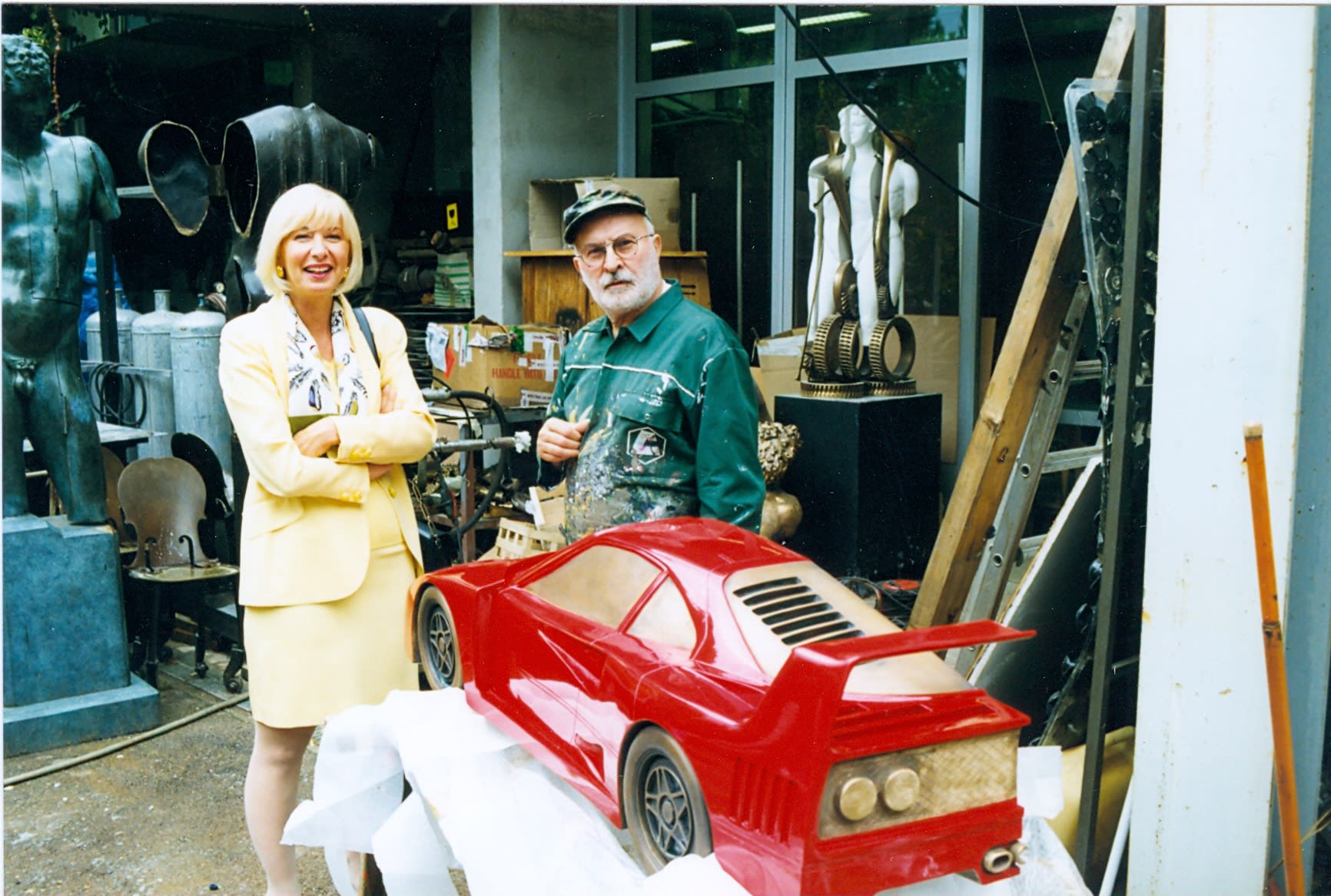
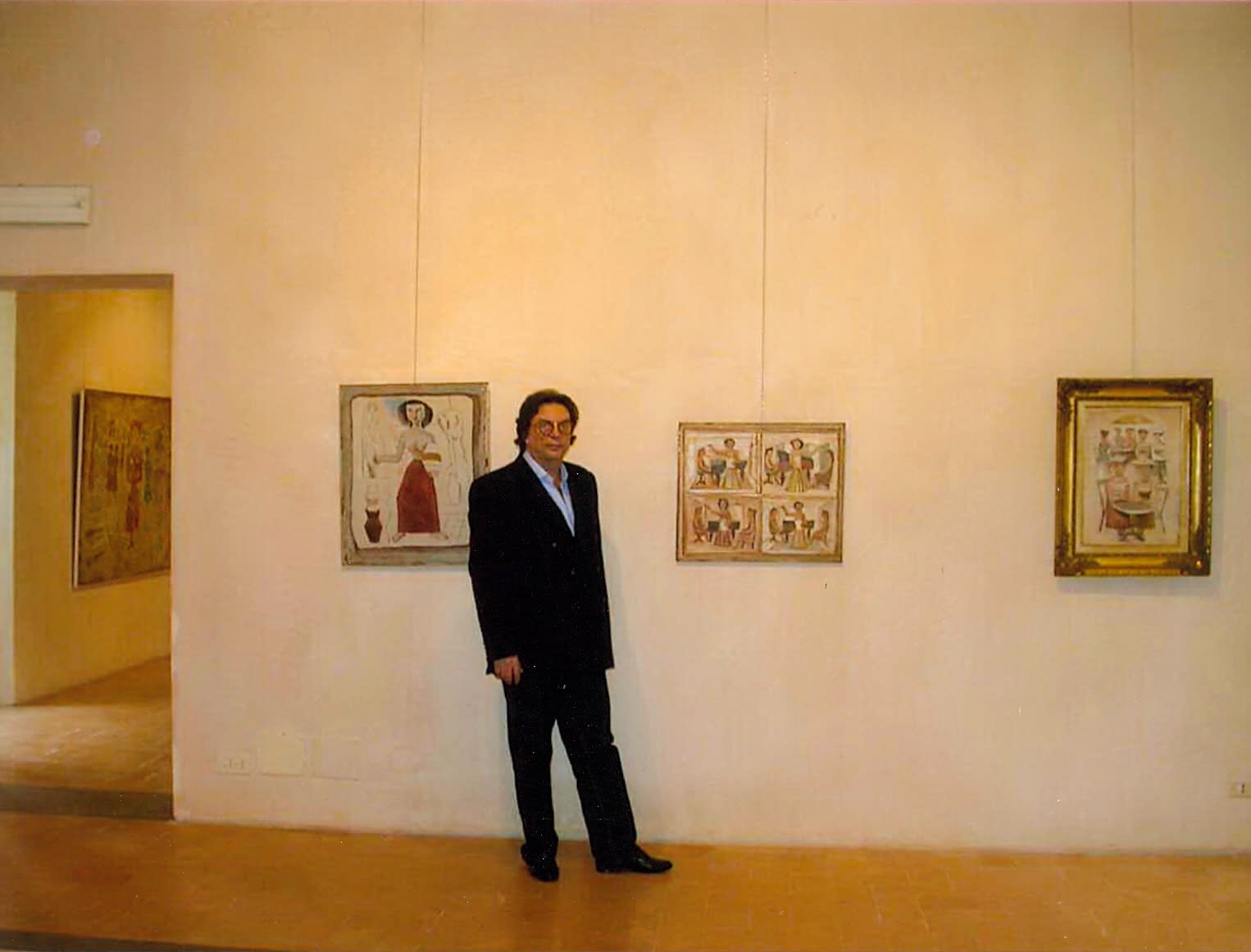
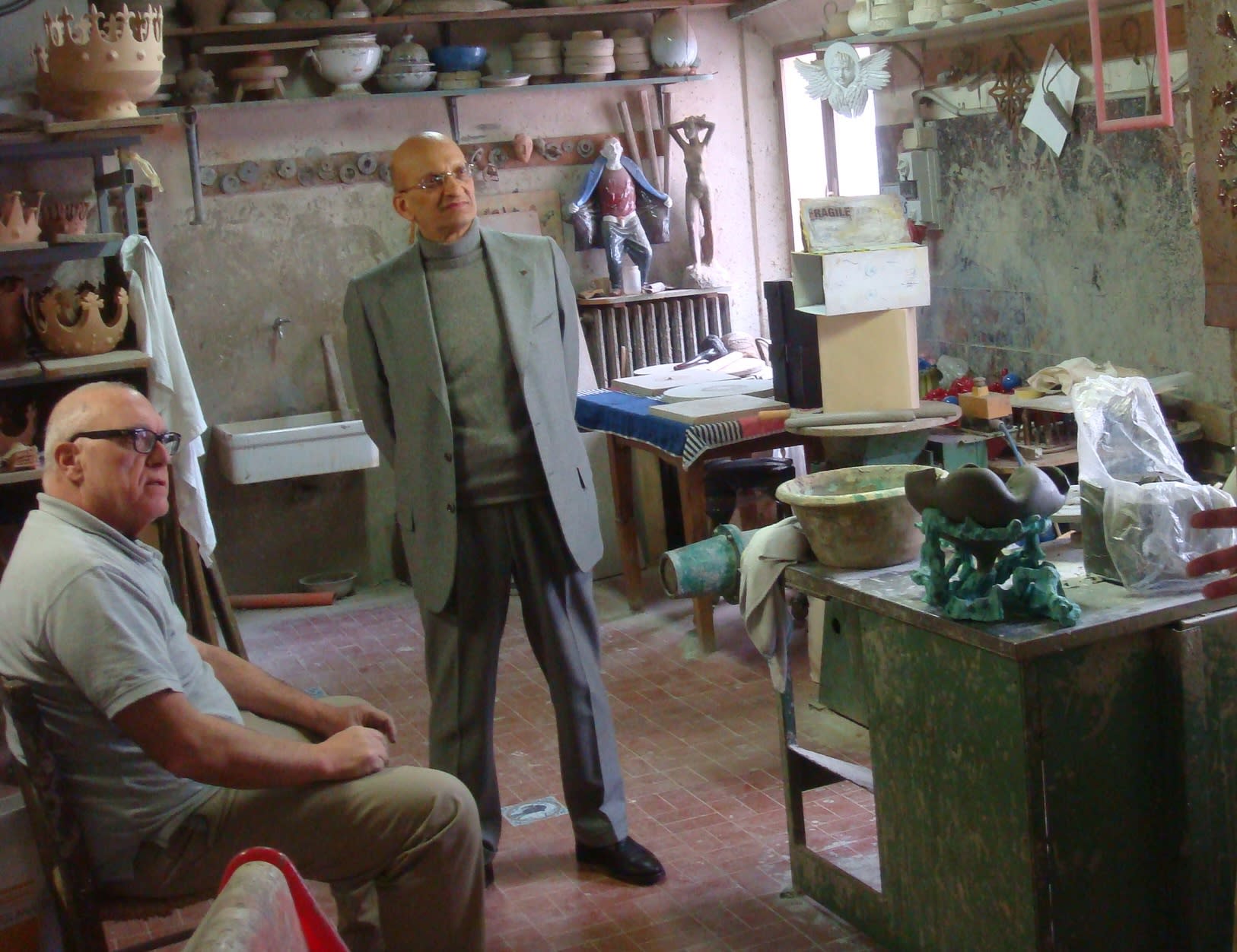
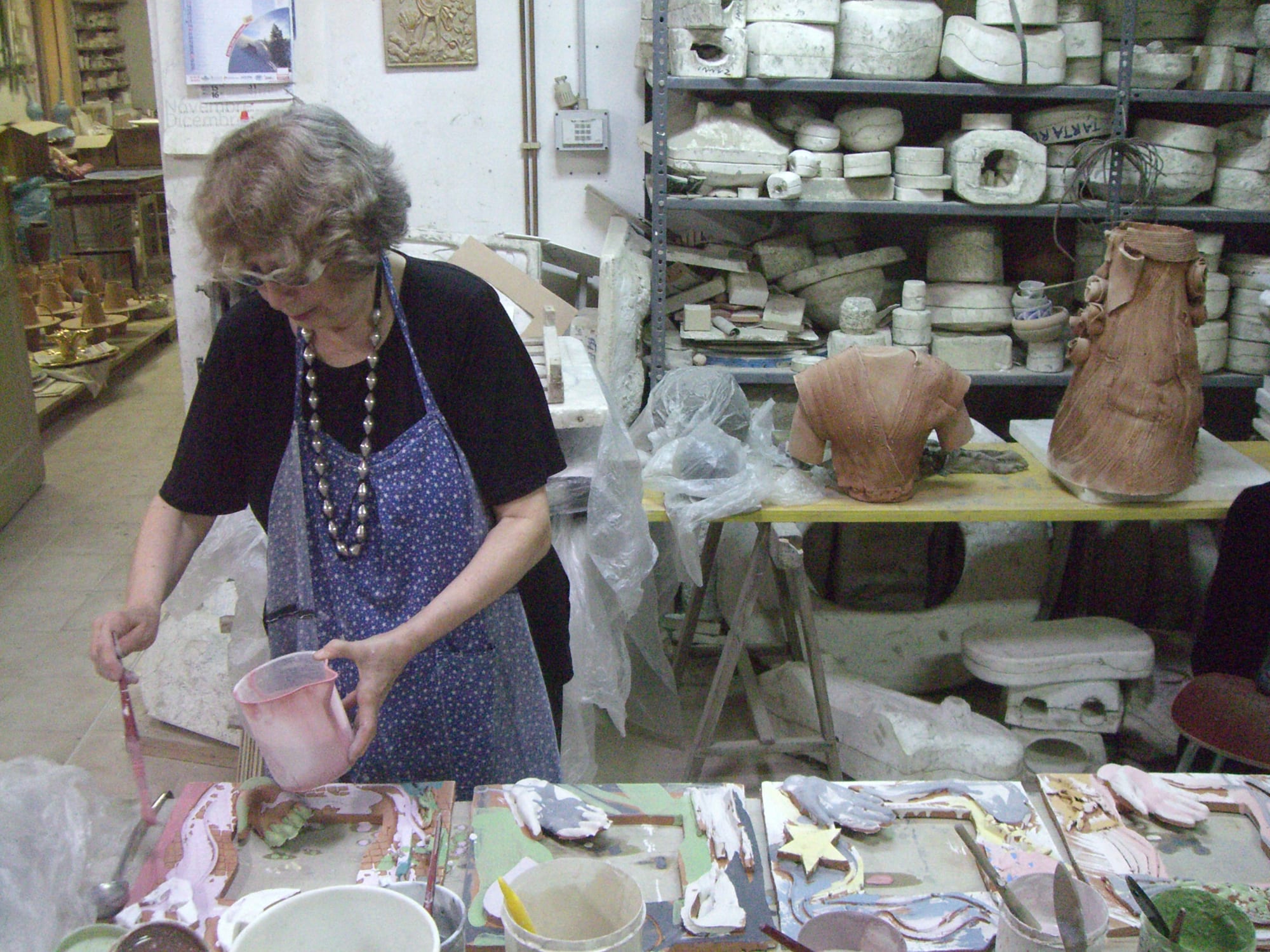
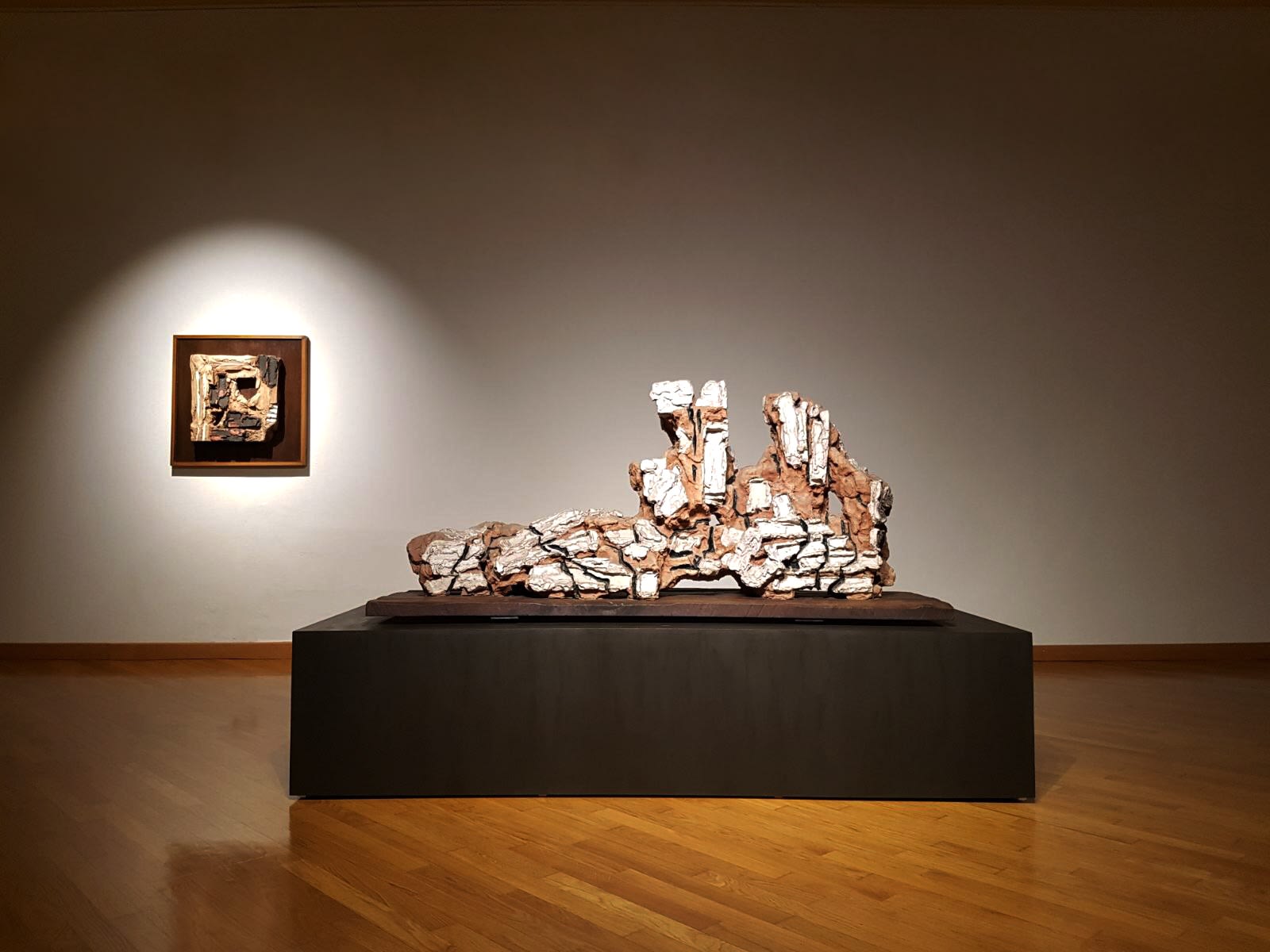
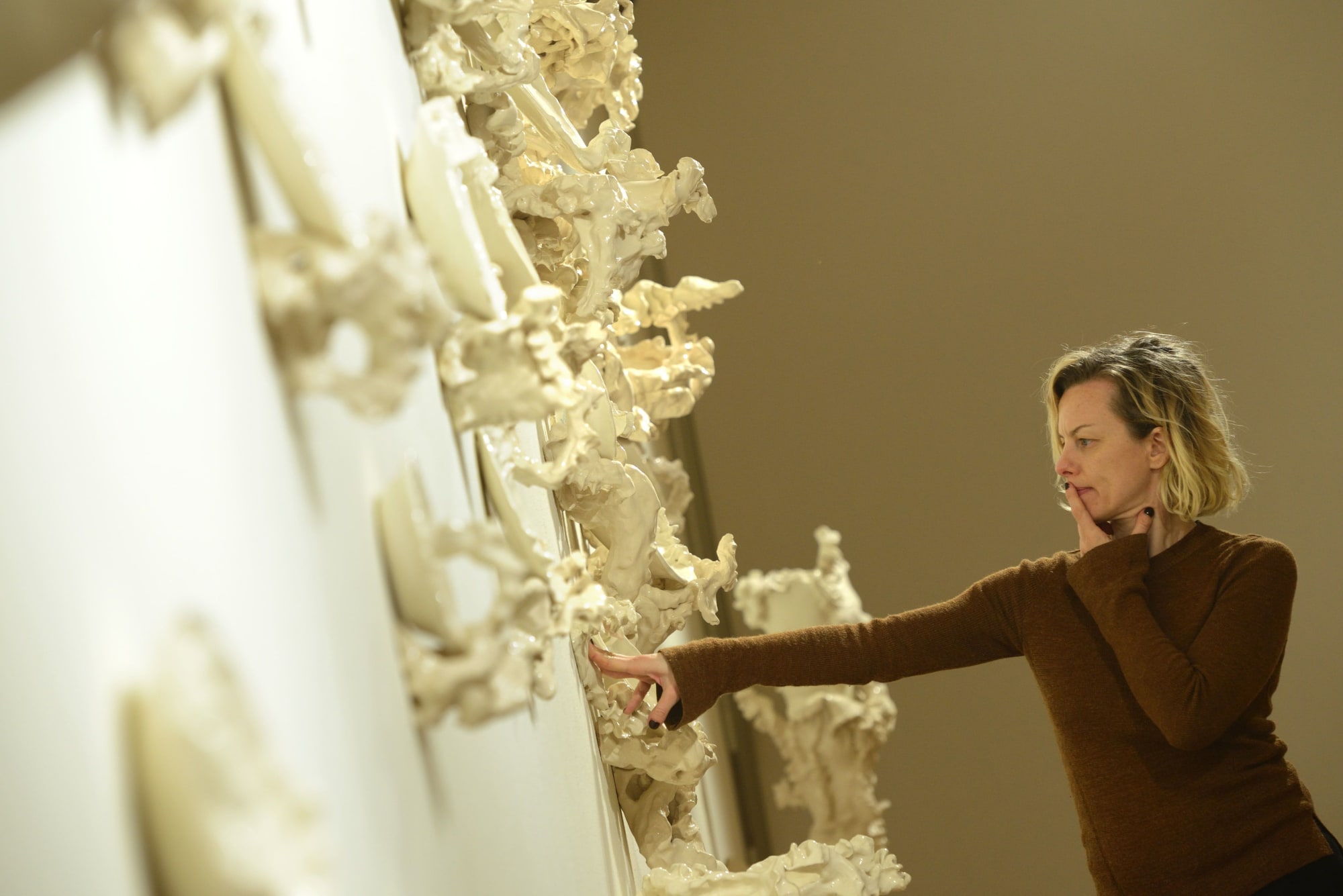
The 1990s saw important solo exhibitions, museum collaborations, and innovative projects. Numerous Italian museums have dedicated solo and retrospective exhibitions to her, including the Galleria Nazionale d’Arte Moderna (GNAM), MACRO in Rome, GAM Turin, MAMbo in Bologna, and the CSAC at the University of Parma. In 1990, a major retrospective covering her entire career was held at the Calcografia Nazionale in Rome. From 1993 onward, she worked with ceramics at the Bottega Gatti, developing themes such as teatrini, fairy tales, houses, and the garments of literary heroines.
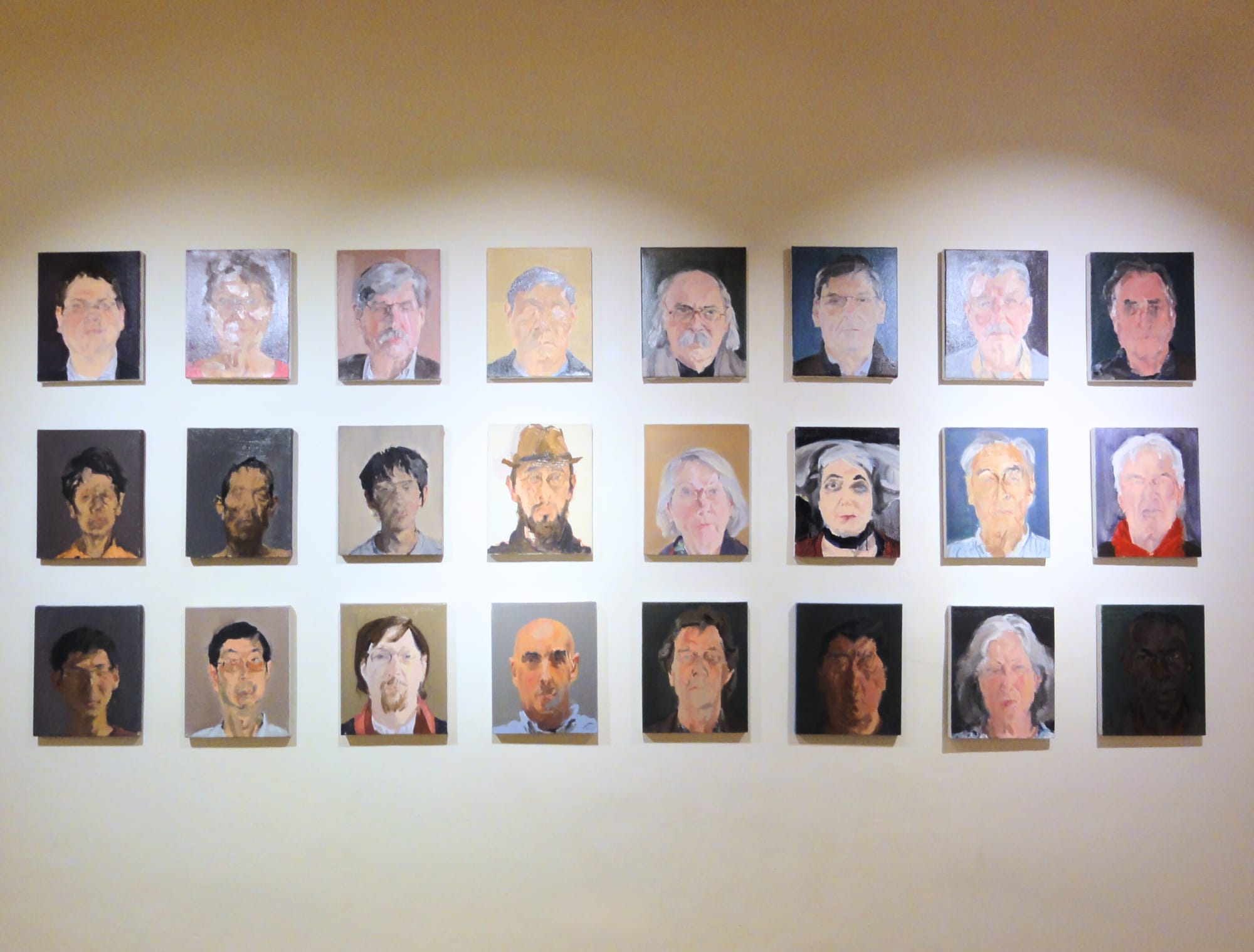
Between the late 1990s and early 2000s, several major retrospectives followed: a large exhibition in Ravenna in 1999 presenting all her paintings from the 1960s onward; the exhibition Giosetta Fioroni, Letters to Friends, Artists, Poets…in Mantua (2000), highlighting her passion for calligraphy and her relationships with writers; followed by Dì al tempo di tornare at the Italian Chamber of Deputies (2001) and Senex. Portrait of the Artist with photographer Marco Delogu (2002). In 2003, the city of Rome dedicated a major retrospective to her, La Beltà. Works 1963–2003 at Museo dei Fori Imperiali.
In 2007, the MIC - International Museum of Ceramics in Faenza presented a solo exhibition of her ceramic works, following the publication of a catalog by Skira in 2005. In 2009, Skira published the first major monograph on the artist, curated by Germano Celant. In 2013, for her 80th birthday, L’argento opened at the Drawing Center in New York, and My Story at the GNAM - Galleria Nazionale d'Arte Moderna in Rome.
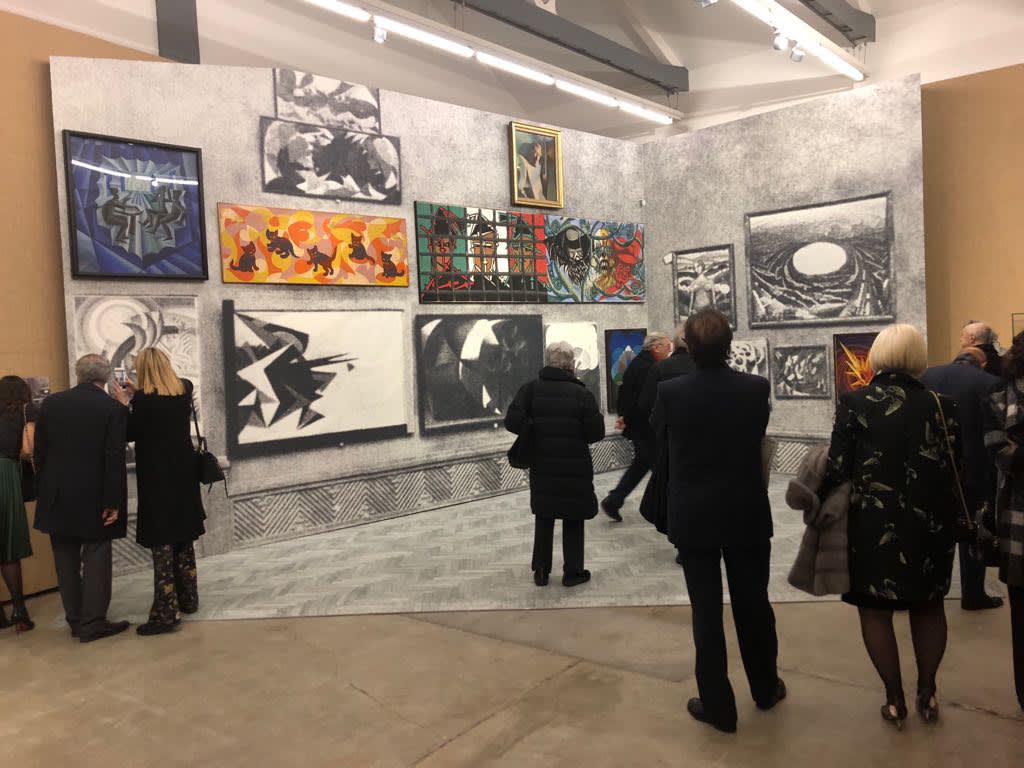
From 2013 to 2020, her works appeared in numerous group exhibitions in Italy and abroad, including at the Palazzo delle Esposizioni, Madre, MACRO, Guggenheim Venice, Museo Novecento, and the Quirinale, as well as the Fondazione Prada, where in 2017 her renowned Spia Ottica (1968) was exhibited—an artwork highlighting the ambiguity between sexual liberation and the objectification of the female body, and between personal rebellion and ideological-political influence.
Outside Italy, she exhibited at the MOMMA in Moscow in 2017 with the solo show Giosetta Fioroni. The 60’s in Rome, at the Italian Cultural Institute in London (2018), at the MAMAC in Nice (2020), and in 2022 at the CAMEC in La Spezia.
On May 24, 2023, she received the Elio Pagliarani National Lifetime Achievement Award.